
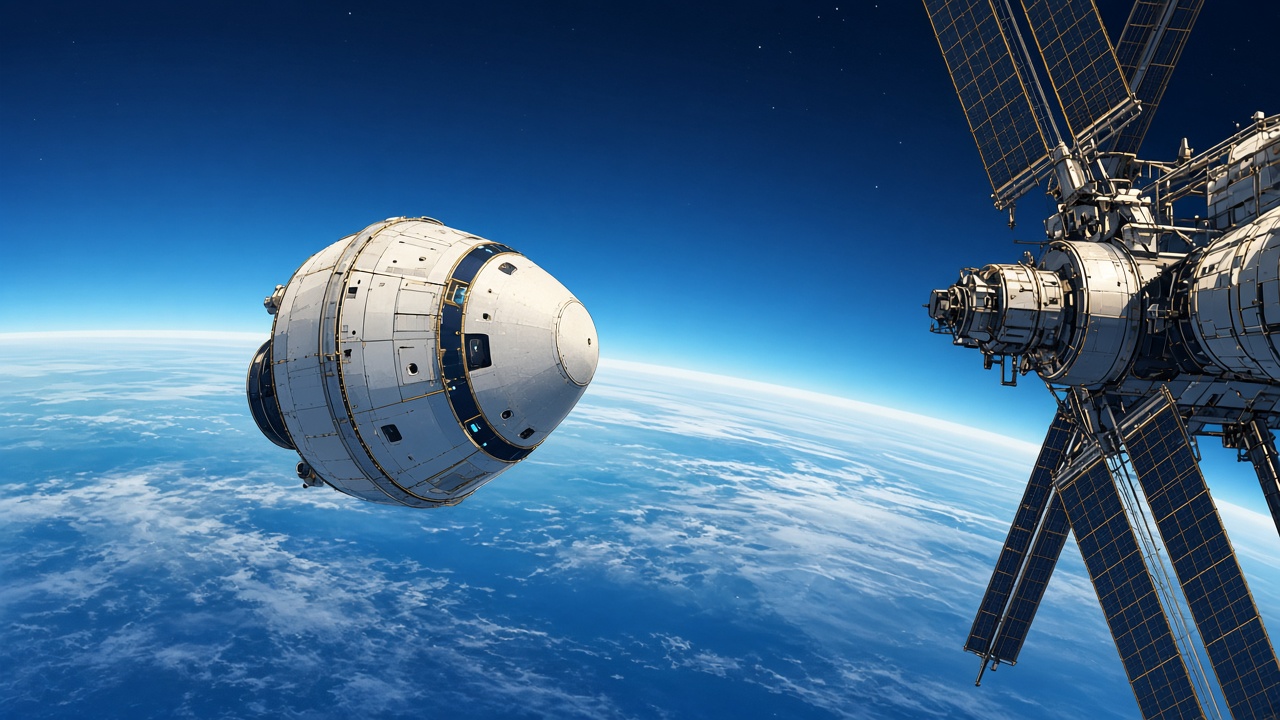
Here’s the short version of America’s second space taxi: Boeing’s Starliner will fly again without a crew first, then—if the fixes hold—carry astronauts no earlier than the middle of 2028.
NASA said on September 28 that Starliner-1, an unpiloted trip to the International Space Station, is targeted for December 2026 or January 2027. The point of that flight is to put thruster and helium-pressurization upgrades through real on-orbit stress after the problems that marked the 2024 Crew Flight Test. On that mission, NASA astronauts Suni Williams and Butch Wilmore reached the station, but helium leaks and thruster failures led NASA to bring Starliner home empty. The two astronauts stayed months longer and returned on a SpaceX Crew Dragon—about 286 days after a flight planned for roughly ten days.
Boeing and NASA have since traced those issues to seal materials and thruster corrosion, and Starliner-1 already carries seal and purge fixes. After that uncrewed flight, teams still plan more hardware work—including service-module valve redesigns plus new crew-module thrusters, batteries, and parachute tweaks—before full human-rating. That is why crewed Starliner-2 is likely mid-2028. NASA named Woody Hoburg as commander; crewmates are still TBA.
NASA still wants two U.S. commercial crew providers. Crew Dragon is the only operational American astronaut ferry today, and SpaceX has said Dragon and Falcon will not last forever—retirement is eyed around 2030 as Starship matures. Atlas V is retiring; later Starliners are expected on ULA’s Vulcan, which still needs human-rating. Dana Weigel, NASA’s Low Earth Orbit Program manager, put spacecraft upgrades plus Vulcan certification at $359 million.
Why it matters
If you ever wonder why spaceflight news sounds like a traffic report with rockets, this is why: redundancy. One working U.S. taxi is impressive; two is insurance for the space station through its planned wind-down and for whatever commercial stations follow. Starliner’s comeback is less about rivalry and more about not putting every American ride on a single system forever.
What’s next
Watch for Starliner-1’s December–January launch window, then months of thruster data and redesign work before Hoburg’s crewed Starliner-2 around mid-2028—and parallel work to certify Vulcan for people as Atlas V bows out.
Sources: Space.com — Starliner crew flights slip to 2028, Spaceflight Now — Unpiloted Starliner test at end of year